

By Emily Dawson
Getting ready to return home after an extended hospital stay has the potential to reveal a host of emotions for both the patient and their family and friends. While there is often joy in the prospect of going home, many people feel anxious about managing their new reality.
Enhancing how we prepare people for the transition home is one of Unity Health Toronto’s quality improvement goals. Our care doesn’t stop once a patient is discharged, though. We know that many people encounter issues once home that can result in declining health or emergency department visits.
At Providence Healthcare, we introduced the Community Health Navigator role to support patients after discharge and rehab patients now receive either a live or an automated phone call – based on their preference – to check on how they’re doing. These calls happen at the 48-hour, 30-day and four-month points after discharge.
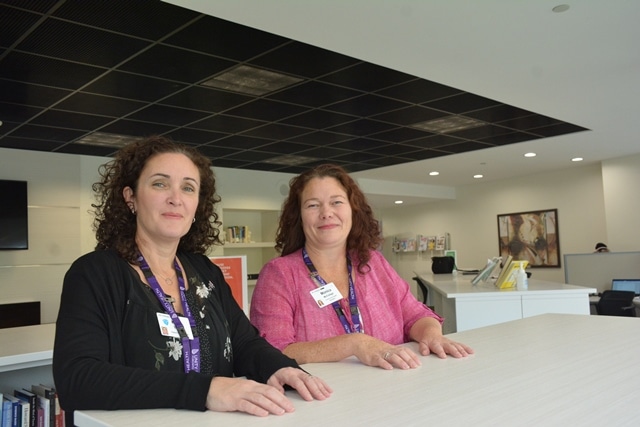
“The basic things we cover are making sure the discharge plans are being followed, that physician referrals are in motion and that they have the medications they need,” said Monica McCullagh, one of three Community Health Navigators (CHN).
Even the automated calls, which can happen in five different languages, have a high-touch component. On some questions, such as those that assess caregiver strain, a concerning answer will trigger a live call from the CHNs.
“We get great insights through these conversations that lead to important feedback for our programs. The common things we hear are around the logistics of their discharge, concerns about managing at home, and questions about home and community services,” said McCullagh.
For patients or caregivers who are struggling, the CHNs will talk to them about community resources and encourage them to seek help from appropriate professionals.
“We may not always have the answers but we know how to connect you,” explained Kelly Tough, manager of patient flow. “There’s a sense of comfort that we’re still caring for you.”
The data provides evidence that these calls are making a difference and mitigating some of the challenges of returning home.
“We’re a safety net; we’ve even been called angels. People appreciate knowing they’re not alone,” said McCullagh.
Emily Dawson is a senior communications advisor at Unity Health Toronto.